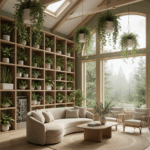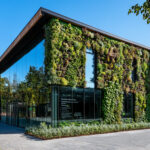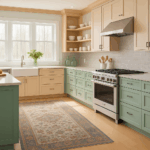
In a world where stress, noise, and technology dominate our daily lives, the idea of bringing nature back into our homes feels more essential than ever. This is where biophilic design steps in. Rooted in the human need to connect with the natural world, biophilic design is more than just an aesthetic trend; it’s a scientifically backed approach that creates calm, healthy, and inspiring living spaces. Whether you live in a compact apartment in Sydney or a spacious suburban house, incorporating biophilic principles can transform your home into a sanctuary of wellness and connection.
In this article, we’ll explore what biophilic design is, why it matters, and how you can integrate its principles into every room of your home. By the end, you’ll have a clear roadmap to start your own biophilic journey, whether through small, budget-friendly steps or a complete home renovation.
What is Biophilic Design?
The term biophilia was popularised by biologist Edward O. Wilson in the 1980s, describing humanity’s innate love for and connection to nature. Biophilic design applies this concept to architecture and interior design by intentionally weaving natural elements, like light, plants, materials, and organic patterns, into built environments.
It goes beyond simply adding a few potted plants. Biophilic design creates spaces that reflect the rhythms and beauty of nature, supporting both mental and physical health. Think of it as designing a home where your body feels relaxed, your mind feels clear, and your spirit feels connected.
The Science behind Biophilic Design (Why You Need It)
Decades of research show that environments inspired by nature improve well-being. Studies reveal that:
- Exposure to natural light boosts mood and regulates sleep patterns.
- Greenery indoors reduces stress, lowers blood pressure, and improves air quality.
- Views of nature, or even images of natural scenes, can speed up recovery in hospitals.
- Workplaces designed with biophilic elements see up to 15% higher productivity and reduced absenteeism.
When applied to homes, these benefits are even more profound. Imagine starting your day with sunlight streaming through large windows, preparing dinner surrounded by natural textures, or falling asleep in a calming, earth-toned bedroom. Biophilic design doesn’t just make a home look good; it makes it feel good, too.
Core Principles of Biophilic Design
Biophilic design rests on three key principles: direct experience of nature, indirect experience of nature, and spatial configurations.
1. Direct Experience of Nature
These are real, physical encounters with natural elements inside your home.
- Natural light: Maximise large windows, skylights, or glass doors to bring in daylight and reduce reliance on artificial lighting.
- Indoor plants and greenery: From lush plant walls to small succulents, greenery provides life, colour, and improved air quality.
- Water features: Fountains, aquariums, or even soundscapes with running water bring calm and evoke natural environments.
- Natural airflow and ventilation: Windows positioned for cross-ventilation or ceiling fans that mimic breezes enhance comfort.
2. Indirect Experience of Nature
These involve incorporating representations of nature rather than direct contact.
- Natural materials: Use wood, stone, clay, bamboo, or rattan to add warmth and texture.
- Organic shapes and patterns: Curved furniture, biomorphic art, or wavy ceiling designs echo natural forms.
- Earthy colour palettes: Shades of green, brown, beige, and sky blue create harmony and calm.
3. Spatial Configurations
The way you design and arrange spaces also influences how connected they feel to nature.
- Prospect and refuge: Balance wide, open views with intimate, cozy nooks (a reading corner with plants beside a window, for example).
- Transitions and thresholds: Courtyards, verandas, or framed garden entrances create natural flow.
- Connection to place and local ecology: Use local plants, stones, or timbers to root your home in its environment.
Biophilic Home Renovation and Other Elements: Room-by-Room Guide
Let’s see all the elements you can keep in mind while doing biophilic home renovation. These are also some of the extra elements that you can add apart from renovation.
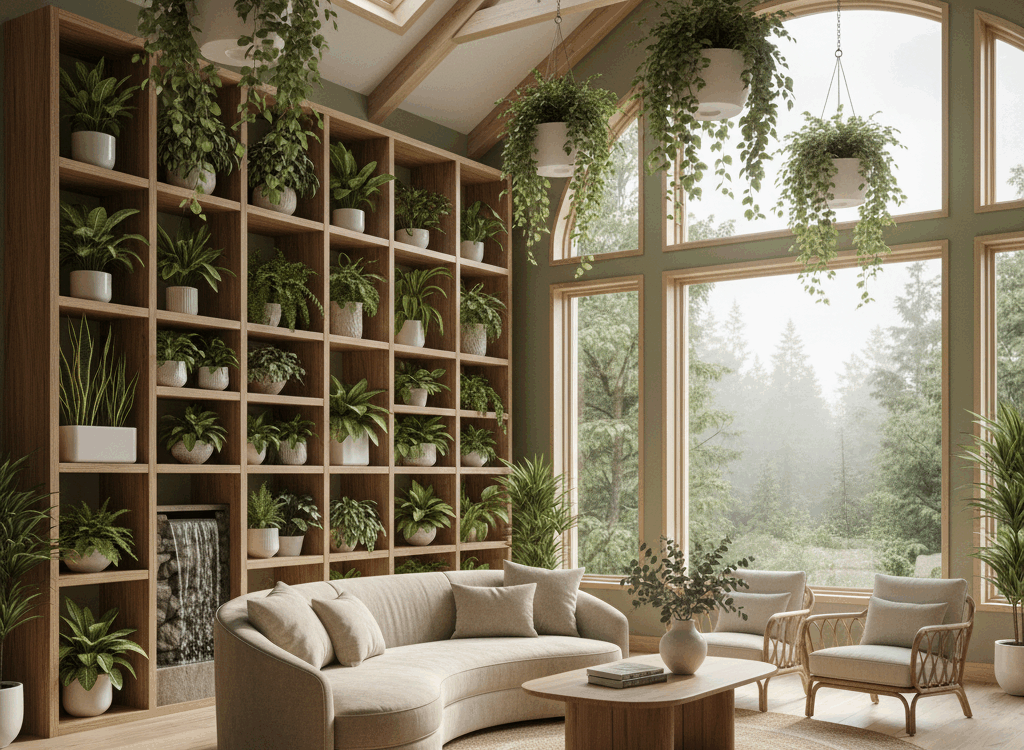
Living Room
- Install large windows to maximise daylight and outdoor views.
- Add plant walls or clusters of indoor plants to create focal points.
- Use wooden floors or furniture for warmth and texture.
Kitchen
- Grow a windowsill herb garden for cooking and fresh aromas.
- Choose natural stone countertops like granite or marble.
- Design with daylight access so the kitchen feels bright and energising.
Bedroom
- Opt for calming earth tones like soft greens, sandy beiges, or warm browns.
- Use linen or cotton fabrics for sheets and curtains.
- Position the bed to have a view of the sky, plants, or nature-inspired artwork.
Bathroom
- Create a spa-like atmosphere with stone, bamboo, or pebble finishes.
- Add plants that thrive in humidity, such as ferns or orchids.
- Incorporate water sounds, either through a fountain feature or sound system.
Outdoor/Transitional Spaces (Balcony, Patio)
- Build vertical gardens for greenery in limited space.
- Use natural seating materials like rattan chairs or teak benches.
- Integrate the area with local flora and fauna, making it feel like an extension of nature.
Benefits of Having Biophilic Design
- Reduces stress and anxiety
- Improves air quality indoors
- Enhances creativity and focus
- Promotes better sleep quality
- Encourages healthier daily routines
- Increases property value and appeal
- Creates a calm, welcoming home environment
- Connects you to local culture and ecology
Getting Started with Biophilic Design
Let’s see how to start with the biophilic design.
Tips for Beginners
- Start simple with indoor plants you can manage.
- Use natural light strategically by rearranging furniture.
- Choose natural textures and materials when replacing furniture or décor.
Budget-Friendly Options
- Try DIY plant walls using modular shelves and vines.
- Buy second-hand wooden furniture and refinish it.
- Use nature-inspired artwork or wallpaper to bring the outdoors inside.
Working with Designers or Doing It Yourself
If you want a full biophilic transformation, working with accredited builders or designers ensures every detail, from materials to spatial flow, reflects biophilic principles. But if you’re more hands-on, start small, experiment, and build your home’s natural character step by step.
Renovation Masters: Bringing Biophilic Design to Life
At Renovation Masters, we specialise in turning homes into spaces of harmony, health, and beauty. Whether you want to add natural light, redesign rooms with eco-friendly materials, or create a full biophilic home, we can guide you through every stage.
- Accredited & Licensed Builders: for quality you can trust.
- No Hidden Costs: all plans and pricing are discussed upfront.
- Complete Renovation Services: from kitchen renovations to courtyards, we handle it all.
When you’re ready to embrace biophilic design, Renovation Masters is here to make your vision a reality.
Conclusion
Biophilic design isn’t just a design style; it’s a lifestyle choice. By reconnecting with nature, you create a home that nurtures both body and soul. Whether you start with a potted plant in your kitchen or a full-scale renovation, every step brings you closer to a calmer, healthier, and more connected way of living.
Your home should be more than a place to live; it should be a sanctuary. With biophilic design and expert guidance from Renovation Masters, you can achieve exactly that.